French Drains vs Trenches: What Works Best for Tennessee’s Clay Soil?
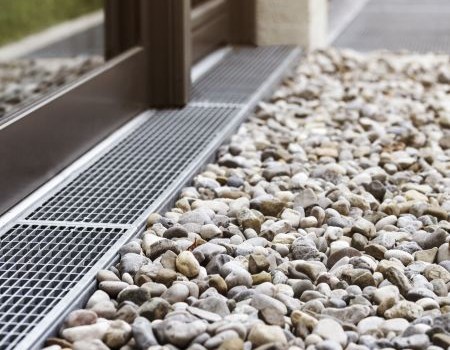
Heavy spring rains, stormy summers, and our dense clay can leave Memphis yards soft, slippery, and unusable for days. If you are deciding between a French drain and a simple trench, you are really choosing how to move water through sticky soil that barely absorbs it. In this guide, we break down what works best in Memphis, TN, and why, so you can protect your lawn, patio, and foundation without guessing. For homeowners who want a proven fix, our french drainage service is designed around local soil and rainfall patterns.
Why Memphis Clay Soil Holds Water
Clay particles are tiny and tightly packed. That means water moves through them very slowly. When a storm hits East Memphis, Midtown, Bartlett, or Collierville, water often pools on the surface and creeps toward low spots, driveways, and crawl spaces. Add in flat lots and compacted subsoil from past construction, and you get ponding that lasts well after the clouds clear.
Surface runoff piles up against patios, walkways, and foundations. Over time, it stains concrete, drowns turf roots, and can push moisture toward basements or crawl spaces. Always direct runoff away from your foundation and out to a safe discharge point.
French Drains In Memphis, TN: How They Work
A French drain is a gravel-filled trench with a perforated pipe that collects subsurface water and carries it away. Think of it like a hidden pathway that water prefers to follow instead of soaking your clay. Properly built, it uses gravity and a continuous bed of washed gravel to speed up drainage and keep soil from silting in.
In Memphis clay, the key advantages are consistency and capacity. The gravel bed creates void space for water, the pipe moves it quickly, and a fabric wrap helps keep soil from clogging the system. Because the drain sits below the surface, it handles both groundwater and the water that seeps down from puddles after a storm.
What Simple Trenches Can and Cannot Do
A simple trench is a shallow channel that moves water on the surface. It is often used to steer roof runoff or redirect a small swale across a yard. In light rain, a trench can be enough to prevent puddles from reaching a patio or walkway.
But there are limits. Trenches can erode, collect debris, and stop working when leaves or mulch wash in. In clay, a shallow trench may not move water fast enough once the soil is saturated. It also does little for subsurface flow that keeps your lawn wet days after a storm.
French Drains vs Trenches: Head-To-Head Comparison For Memphis Clay
- French drains handle persistent saturation where clay refuses to absorb water, reducing soggy turf and soft spots that stay wet for days.
- Trenches help with quick surface runoff, like redirecting a downspout splash zone across a short distance.
- French drains are protected below grade, so they clog less from leaves and mulch; trenches stay open and need more upkeep.
- In flat backyards common around Cordova and Germantown, French drains maintain flow even when the surface looks level.
Both options must discharge to a safe location with a stable outlet. Never route discharge toward a neighbor’s lot or across sidewalks where water can freeze and cause a slip hazard.
When A French Drain Is The Better Choice
Choose a French drain when you see:
- Ponding that lingers for 24 to 48 hours after storms
- Mushy turf where mowers leave tracks
- Moisture creeping toward your crawl space vents or slab
- Low areas between homes where clay stays saturated
These signs point to subsurface saturation, not just quick-moving surface water. A well-designed French drain gives the water an easy path out and keeps your yard usable sooner after rain.
Memphis clay swells when wet and shrinks when dry. That movement is tough on patios and walkways. A correctly sized French drain relieves water pressure around hardscapes and helps reduce shifting and hairline cracking over time.
When A Trench May Be Enough
If the issue is limited to a single downspout splash zone, or water only needs to cross a short distance to a safe outlet, a shallow trench or swale can be a tidy solution. This is common alongside yards or near driveways where you can visibly see water rushing during storms. Keep in mind, it must be stabilized with turf or rock to prevent washouts in heavy summer downpours.
Design Details That Matter In Tennessee’s Clay
Because clay drains slowly, details make the difference between a fix that lasts and one that clogs:
Gravel size and cleanliness, the use of a quality geotextile, the slope of the pipe run, and the location of the outlet all shape performance. Cleanout points are smart in yards with lots of trees. Where water pools near foundations or patios, a collection basin connected to the French drain can capture sudden surges from big storms.
How Drainage Affects Your Lawn And Landscape
Standing water starves the grass roots of oxygen. It invites weeds and can cause thin, yellow turf. Shrubs planted in saturated beds will struggle in the first year and may never recover. By moving water off the root zone, a French drain protects your plantings and gives lawns a better chance to bounce back after rain.
If your property needs broader planning, our Memphis landscaping team can look at grading, soil structure, and plant choices so your yard works as a whole system.
Placement Tips Around Driveways, Patios, And Walkways
Low spots often form where hardscape meets lawn. On many Memphis lots, that is the seam along a driveway edge or the back patio. A French drain just off the slab can collect edge runoff and relieve hydrostatic pressure. For long driveways with a slight tilt toward the garage, an under-the-turf French drain often looks cleaner than an exposed channel.
Outlets matter, too. Pop-up emitters are neat but must be set where overflow can spread safely across the lawn without running back toward the house. Where the yard is very flat, a discreet catch area with river rock can help disperse water without mud.
Seasonal Considerations For Memphis Weather
Spring brings fast, heavy storms. Summer adds short, intense downpours. Fall can be leaf-heavy, which clogs open trenches first. Winter freeze-thaw cycles stress soil and hardscape if water sits. A French drain’s below-grade design keeps it working across seasons, while trenches usually need more cleaning after leaves fall and after big storms.
Maintenance: Keep It Working Year After Year
Good drainage is not set-and-forget. While regular visual checks help, it’s recommended to have a professional maintenance service performed annually to ensure optimal performance and long-term reliability of your drainage system. A yearly inspection can identify minor blockages, settling, or wear before they lead to water backups or drainage failure.
Check outlets after major storms to make sure water is flowing properly, and keep mulch and leaves from piling up over drain paths. If your yard has many trees, plan periodic inspections so roots, debris, or sediment never turn into soft, unsafe areas or standing water issues.
If your property already has a French drain or similar drainage system in place, annual servicing is especially important. Professional cleanouts help maintain proper flow, prevent sediment buildup, and extend the lifespan of the system.
Protect your drainage system by keeping landscape beds from spilling soil or mulch into drain paths during garden cleanups. Small preventative steps combined with professional annual service go a long way toward keeping your drainage system working efficiently year after year.
Choosing What Works For Your Yard
Here is a simple way to think about it in Memphis clay:
- If the problem is ongoing sogginess or moisture near the house, a French drain is the reliable, long-term fix.
- If water only needs a nudge across the surface to a safe area, a trench or shallow swale can be enough.
- Both need a smart outlet and careful grading to keep water moving away from your home.
Still unsure? A quick moisture check after a rain tells the story. If the top inch of soil stays slick and shiny, it is a sign that water needs a subsurface path out of your yard.
What To Expect From A Professional Installation
Every yard is different. A professional will survey slopes, soil, tree roots, utilities, and where water collects after storms. They will size the pipe, place cleanouts in the right spots, and set an outlet that keeps water from circling back. You get a solution that fits your lot rather than a guess that might fail in the next big storm.
Real-World Memphis Scenarios
Midtown bungalows often have narrow side yards with compacted soil. A French drain along the side can stop water from pooling by the crawl space. In newer East Memphis or Cordova neighborhoods, long backyards that look flat may actually tilt slightly toward the house. A French drain parallel to the patio edge collects what you cannot see at the surface and moves it to an out-of-the-way outlet near the back fence.
Ready To Fix Yard Drainage In Memphis?
When clay soil soaks up your weekends, it is time for a lasting solution. Our team designs drains that fit the way water moves on your property, not a one-size-fits-all template.
Learn how our local approach to french drain installation can help your yard recover faster after storms and keep water headed in the right direction.
Want a yard that drains quickly and stays usable after rain? Call Ordaz Lawn and Landscaping Service LLC at 901-520-2523 to schedule a drainage assessment. We evaluate your property, explain your best options, and tailor a plan that fits your home and soil.
