How a French Drain Protects Your Home’s Foundation During Heavy Rain in Memphis, TN
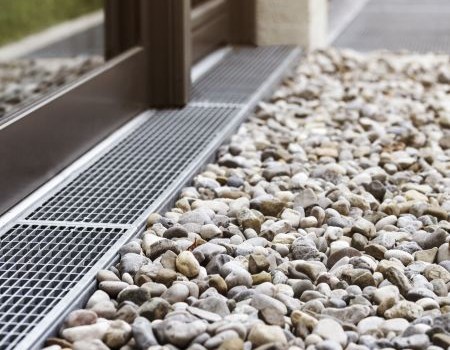
Spring storms and steamy summer downpours are a way of life in the Mid‑South. When heavy rain hits clay‑rich soils, water lingers, settles near your slab or crawl space, and strains the structure that holds your home up. That is where a well‑designed French drain in Memphis, TN steps in, quietly moving water away so your foundation stays safe and dry.
Memphis Rain, Clay Soil, and Your Foundation
Many neighborhoods across Midtown, East Memphis, Cordova, Bartlett, and Collierville sit on dense clay. Clay drains slowly, so water piles up near low spots, driveways, and foundation walls. Over time, that trapped moisture increases pressure on concrete and block. Hydrostatic pressure can crack walls and slabs, lead to musty crawl spaces, and cause shifting that shows up as sticky doors or zig‑zag cracks.
If you notice soggy turf for days after a storm or mulch streaks sliding off beds, it is a signal that water needs a better path out of your yard.
How a French Drain Protects Memphis Foundations
A French drain is a gravel‑filled trench with a perforated pipe that collects subsurface water and carries it to a safe discharge point. Think of it as a hidden gutter in the ground. In our local clay, the gravel creates air space so water moves faster than the soil can absorb, lowering moisture around your foundation and relieving pressure on walls.
When designed for your lot’s slope, soils, and runoff, a French drain reduces wet zones along patios, keeps side yards passable, and helps protect the base of your home during those quick, heavy Memphis cloudbursts.
Want a system tailored to your yard? Our team handles plan, layout, and installation from start to finish. Learn more about professional French drain installation for Memphis homes.
Warning Signs Poor Drainage Is Hurting Your Home
- Ponding or squishy turf that lingers 24–48 hours after storms
- Mulch washing onto walks or driveway edges after rain
- Damp smells in basements or crawl spaces; peeling paint near lower walls
- Hairline cracks that widen along interior drywall or exterior brick
- Stripe‑like dead grass over old, shallow trenches that hold water
Warning signs you should never ignore include moisture at the base of interior walls, musty odors that return after each storm, and new cracks that appear seasonally. These point to water pushing against your foundation rather than passing by.
Where French Drains Work Best Around Memphis
We often recommend French drains for these common Mid‑South trouble spots:
- Side yards between homes in Cordova or Germantown where runoff funnels toward the foundation
- Flat backyards in East Memphis that look level but tilt slightly toward patios or steps
- Driveway edges and walkways in Bartlett and Collierville where water creeps back toward the garage or porch
- Low turf near patios and play areas that stays soggy and attracts mosquitoes
In many cases, pairing a French drain with smart grading and soil improvement gives the most reliable relief. That is why design matters as much as the parts you put in the ground.
What a French Drain Does That Gutters and Trenches Don’t
Gutters and downspouts handle roof water. Open trenches move water across the surface. A French drain works below grade, where moisture actually builds in clay. By collecting water under the surface, it stops that slow, steady seep that keeps soil swollen around your footings and slabs.
When the outlet is placed where water can disperse safely, the line keeps working even during fast‑moving summer storms. Don’t route discharge toward a neighbor’s yard or anywhere it can run back to your house.
Why Some French Drains Fail in Memphis
Not all drains are equal. Here are common reasons systems fail locally, and how a pro prevents them:
Clogging from fines or mulch. Clay silt and landscape debris can fill the stone bed. A trained crew specs clean, washed gravel and quality fabric to keep fines out, and they protect the line from loose mulch.
Insufficient slope. If the pipe does not fall consistently, water stalls. Careful layout sets a smooth, continuous grade to the outlet so flow never stops after a cloudburst.
Undersized pipe or poor outlet. Lines must match runoff volume, and outlets need space to spread water safely without circling back. That sizing happens during the site walk, not after the trench is open.
Already have a system that is backing up or not draining? Our team can evaluate and restore function with professional French drain repair.
Memphis Weather: Short Bursts, Big Pressure
Our area often gets quick, intense storms in late spring and summer. When inches of rain arrive fast, clay soils act like a lid. Water seeks the lowest route, and that is often the base of your home. A below‑grade French drain captures water that trenches or surface channels miss. Spring and summer storms in Memphis arrive fast; a subsurface solution buys you critical time and protection.
Design First, Then Install: Why Pro Planning Matters
The difference between a drain that works for a decade and one that clogs in a season is planning. A pro visit maps slopes, checks downspout locations, studies soil texture, and picks a discharge that stays clear after storms. If your yard needs broader improvements, coordinated upgrades like subtle re‑grading or bed reshaping can be handled with our landscape design and installation team so the whole property drains as one system.
Curious how a team approaches this in real Memphis clay? Meet the French drain Memphis TN specialists at Ordaz Lawn and Landscaping Service LLC and see how local experience shapes every decision from trench path to outlet placement.
Foundation Protection You Can See and Feel
Homeowners across Harbor Town on Mud Island, Germantown, and Arlington often tell us the first thing they notice after a proper French drain is the absence of mess. Lawns dry faster. Mulch stays put. Doors stop sticking after rain. Indoors, musty odors fade because the soil at the perimeter is not saturated anymore.
These changes point to the main goal: less moisture pressing on your foundation. Over time, that means fewer cracks to chase and a structure that handles seasonal swings with less stress.
When to Act Before Damage Spreads
Here is a simple rule of thumb for our region:
- If water lingers more than a day after storms, you likely have a subsurface issue clay won’t fix on its own.
- If damp corners show up in a basement or crawl space after heavy rain, the soil outside is staying wet too long.
- If mulch or soil keeps washing from beds, water is finding shortcuts you need to intercept.
Addressing these early prevents small headaches from turning into structural repairs later.
Next Steps With a Local Team You Can Trust
Every yard is different, so the plan should be too. Our crew will walk the site, map water paths, and design a system that fits your lot and lifestyle. If a drain is not the right answer, we will tell you and explain better options for your specific conditions.
Ready to protect your foundation before the next storm line moves through Shelby County? Explore how our French drain installation in Memphis can help, then call 901-520-2523 to schedule your on‑site assessment with Ordaz Lawn and Landscaping Service LLC.
