5 Signs Your Yard Needs French Drain Installation in Memphis, TN Before Summer Storms Hit
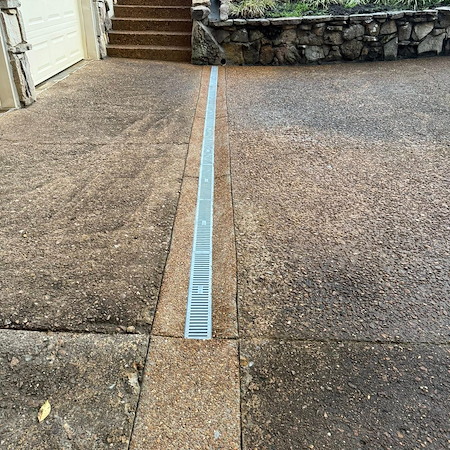
Summer storms in Memphis can turn a good yard into a muddy mess fast. If you are already seeing puddles or damp smells, now is the time to act. Many local lots sit on dense clay that drains slowly, which means water hangs around longer than it should. The right french drain installation gives that water a safe path out before it reaches your foundation or turns your lawn into a swamp.
Below are five clear signs your yard needs attention before the first big downpour rolls through Shelby County. We’ll point out what to watch for, why it happens here, and how a professionally designed system keeps your home and landscape protected.
Why Memphis Yards Struggle With Drainage
From Midtown and East Memphis to Bartlett, Germantown, and Collierville, much of our soil is clay heavy. Clay compacts easily, which slows absorption after a storm. Many neighborhoods are also fairly flat, so runoff has a hard time finding a downhill route. Add quick, intense summer cloudbursts and you get pooling, soft spots, and water sneaking toward crawl spaces and slabs.
When water lingers in clay, it builds steady pressure against anything in its way. That pressure shows up as soggy turf, mulch washouts, and even hairline cracks along walls or brick. A French drain works below the surface to collect and redirect that moisture before it becomes a problem.
The 5 Clear Signs Your Yard Needs a French Drain
1) Water Pools or Soggy Spots Stick Around for a Day or More
After a normal rain, your lawn should start drying out within 24 hours. If puddles linger across the back lawn, along fence lines, or beside patios, the soil below is saturated and has nowhere to send that water. In Memphis clay, these areas usually reappear after every storm. Left alone, they turn into ruts, mud tracks, and unusable play space.
- watch for water that remains glossy on top of the soil the next morning
- look for footprints that fill with water when you step
- note low strips along driveways or sidewalks that stay wet the longest
2) Foundation Clues: Musty Smells, Sticky Doors, or New Hairline Cracks
Moisture has a way of telling on itself. If you smell dampness in a crawl space, see efflorescence or peeling near lower walls, or notice doors sticking after storms, water is pressing on the perimeter soil. That pressure can widen tiny cracks over time. For a deeper dive on why this happens here, read our related post on how a french drain protects your home’s foundation during heavy rain.
3) Mulch Washouts and Erosion Streaks After Downpours
Memphis storms love to arrive hard and leave fast. When the surge hits, you may see mulch streaks sliding off beds, bare soil showing under shrubs, or sediment lines curling across the lawn. These are clear signs of uncontrolled runoff. A subsurface drain intercepts water before it scours your beds and tracks mud across walks and patios.
4) A Side Yard That Stays Mushy Between Homes
In Cordova, Arlington, and many East Memphis blocks, side yards funnel water toward the narrow path between houses. With fences and shadowed turf, these strips often never dry. You might notice soft ground, slippery algae, or even mosquitoes gathering. **Never ignore a side yard that squishes with every step.** It usually means water is collecting against the foundation wall nearby.
5) Lawn Decline in Stripes or Patches That Follow Old Trenches
Does your grass die off in long, repeating lines? Do you have a mysterious low patch where the mower sinks each week? These patterns often match hidden utility trenches or shallow channels where water sits below the surface. A properly designed French drain creates a new, reliable route so your grass and soil can recover.
What Happens If You Ignore These Signs
Problems that start outside rarely stay outside. Water seeks the lowest point and the easiest path. If it cannot drain through the soil, it pushes where it can, which is often right toward your home. **Waiting for summer heat to “bake it off” does not fix trapped moisture in clay.** Over time, you may see:
- damp crawl spaces and musty odors that return after every storm
- widening hairline cracks or mortar separations along exterior brick
- soil erosion that exposes roots, pavers, or slab edges
- mosquito breeding zones and turf diseases in standing water
How Pros Diagnose Yard Drainage in Memphis, TN
Every property is different. A trained crew maps how water enters, where it stalls, and the best place to discharge it safely. That assessment looks at soil texture, lot slope, downspout locations, and nearby hardscapes. **The goal is simple: collect water below grade and move it out before it reaches vulnerable areas.** When you’re ready to start, many homeowners begin by reviewing french drain installation in Memphis, TN to understand how a system is sized and routed for local soils.
If you already have a line that backs up or fails after storms, a targeted fix may be smarter than a full replacement. Learn how a pro restores flow and protects your yard with french drain repair when older systems clog or settle.
Local Clues By Neighborhood
Patterns repeat across the Mid‑South. In Midtown’s older blocks and parts of East Memphis, lots can be flat with heavy shade. Backyards stay wet long after rain, and mulch slides off beds near porches. In Germantown and Collierville, side yards between homes often funnel water toward foundation walls. Bartlett and Lakeland see pooling in low back corners where privacy fences trap runoff. If any of these sounds like your yard, a subsurface solution is likely the right move.
When To Act Before Summer Storms
Timing matters. Memphis often shifts from spring showers to fast summer downpours in late May and June. If you are already seeing pooling or damp smells, schedule an assessment now so the work is done before storm lines ramp up. Taking action early protects your foundation, keeps patios usable, and helps your lawn bounce back quicker after each rain.
What A Good Outcome Looks Like
Homeowners usually notice the difference right away. Lawns dry faster. Beds hold mulch. Side yards stop squishing. Doors and windows behave the same after a storm as they do on a sunny day. Most important, you get your yard back for grilling, pets, and play without planning around puddles.
How Ordaz Lawn and Landscaping Service LLC Helps
Our team designs each drainage plan around your property. We consider the path water actually takes across the lot, the clay content of your soil, and where discharge will stay clear even after a big storm. That careful planning means fewer surprises, cleaner installs, and a system that keeps working through the wettest weeks of summer.
If you prefer to start at your own pace, explore more on our site, including an overview of french drain installation in Memphis, TN from a local perspective, then set a time to walk your yard with a pro who knows this soil and weather.
Ready Before The First Big Summer Downpour
Your yard is trying to tell you something. If water is pooling, the ground stays soggy, or the crawl space smells musty, a French drain can be the quiet fix that prevents bigger repairs later. Talk with Ordaz Lawn and Landscaping Service LLC and get a plan that fits your home, your landscape, and our weather. Call 901-520-2523 to schedule your on‑site assessment, or learn more about the process on our page for french drain installation.
